
Dashamahavidyas of Kamakhya

Presence of the Dasa Mahavidyas at Kamakhya Hill
The presence of Dasa Mahavidyas on the Kamakhya hill is unusual in the abundance and variety of images throughout the site. The Kamakhya is an important Sakta centre according to many ancient texts because it is the place where Sati’s Yoni fell on the Earth, and hence her Aadi Peetha and strongly associated with Mahavidyas
Overview of the Mahavidyas at Kamakhya
Stone symbols inside the Kamakhya Temple represent the Tripura Sundari or Sodasi, Matangi, and Kamala. The other Mahavidyas are present in their individual temples located around the Kamakhya Temples’ Complex. The central representations of the Mahavidyas in these temples usually are not anthropomorphic and are sometimes difficult to see at all, as they are covered by flowers, clothing or offerings and some of them are located in the underground caves. Kamakhya Temples’ Complex is the only site in the world where temples of all 10 Mahavidyas are located.
Both literary and iconographic materials give the general impression that the ten Mahavidyas are different forms of an overarching, transcendent female deity, who is usually referred to simply as the Mahadevi. An underlying assumption of many Sakta texts is that the highest reality is the Great Goddess, and this infinitely great being manifests herself in a wide variety of forms, and each Mahavidya confers a certain type of perfection, blessing, or awareness. The Mahavidyas are approached in a variety of ritual contexts, and the worship of one Mahavidya may differ from that of others.
The different aspects of the Dasa Mahavidya are elaborated in detail in the Kalikapurana, Yogini Tantra, and Chandi Tantra. The 10 Mahavidyas of Kamakhya are: Kali, Tara, Tripura Sundari or Sodasi, Bhuvaneswari, Bhairavi or Tripura Bhairavi, Chinnamasta, Dhumavati, Bagalamukhi, Matangi, and Kamala.
Devi Kali (The 1st Mahavidya)

Significance of Devi Kali
As per the sacred scriptures, the first Rupa (form) of the Dasa Mahavidya is Devi Kali. In the Kamakhya Temples’ Complex, the Peetha of Devi Kali is located in the Kali Temple, adjacent to the staired pathway to the Kamakhya Temple.
Among the Mahavidyas, the concept of Kali is perhaps the most mysterious as well as difficult to understand. In Sanskrit, the word Kali literally means TIME. Kali is the feminine word for time and its masculine is Kala.
Time is the great womb and hence a feminine quality. Time is birth and death, growth and decay, which is the essence of our existence.
Devi Kali teaches us that if we give up our attachment to the events of our lives, we gain mastery over time.
Devi Kali is located in the Heart Chakra (Anahata Chakra) of the subtle body, the seat of the air element or Vayu. Kali relates to the physical heart also, which circulates the life-force, and to the blood itself, which carries the life-force.
Astrologically, Devi Kali is the residing deity of the Shani Graha (planet Saturn).
Devi Tara (The 2nd Mahavidya)
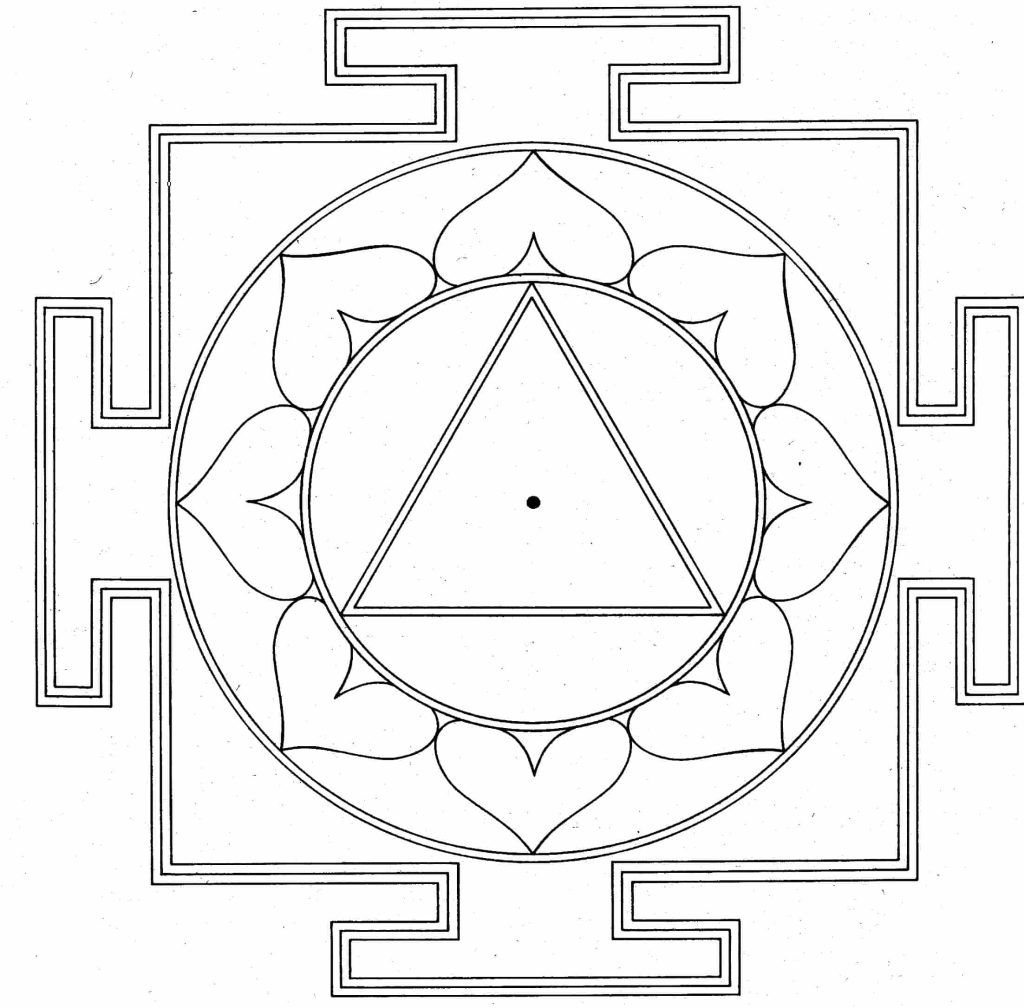
Devi of supreme knowledge
Significance of Devi Tara
As per the sacred scriptures, the second Rupa (form) of the Dasa Mahavidya is Devi Tara. In the Kamakhya Temples’ Complex, the Peetha of Devi Tara is located in the Tara Temple adjacent to the staired pathway to the Kamakhya Temple.
In both Hindu and Buddhist systems Devi Tara relates to OM. Om is the primal energy (shakti) of sound, the Pranava or the origin of vibration. Tara is Om or Lord Shiva, the transformative power. Om is Tara or Taraka, and the feminine form of OM.
Tara is the most important of mantric knowledge, the epitome of Mantra Shakti. Tara provides poetic and oratory powers to her devotees.
Devi Tara has a Rupa (form) known as Ugra Tara, which is Her Terrible form. Another form of Devi Tara is dark blue colored Nila Sarasvati,
the Devi Tara relates to the Manipura Chakra (Naval Chakra), the Tongue, and the illuminated stage of Speech. As Om, Devi Tara also relates to the Agnya Chakra (Third Eye Chakra/Trinetra). Astrologically, Devi Tara is the residing deity of the Brihaspati Graha (planet Jupiter).
Devi Tripura Sundari (The 3rd Mahavidya)
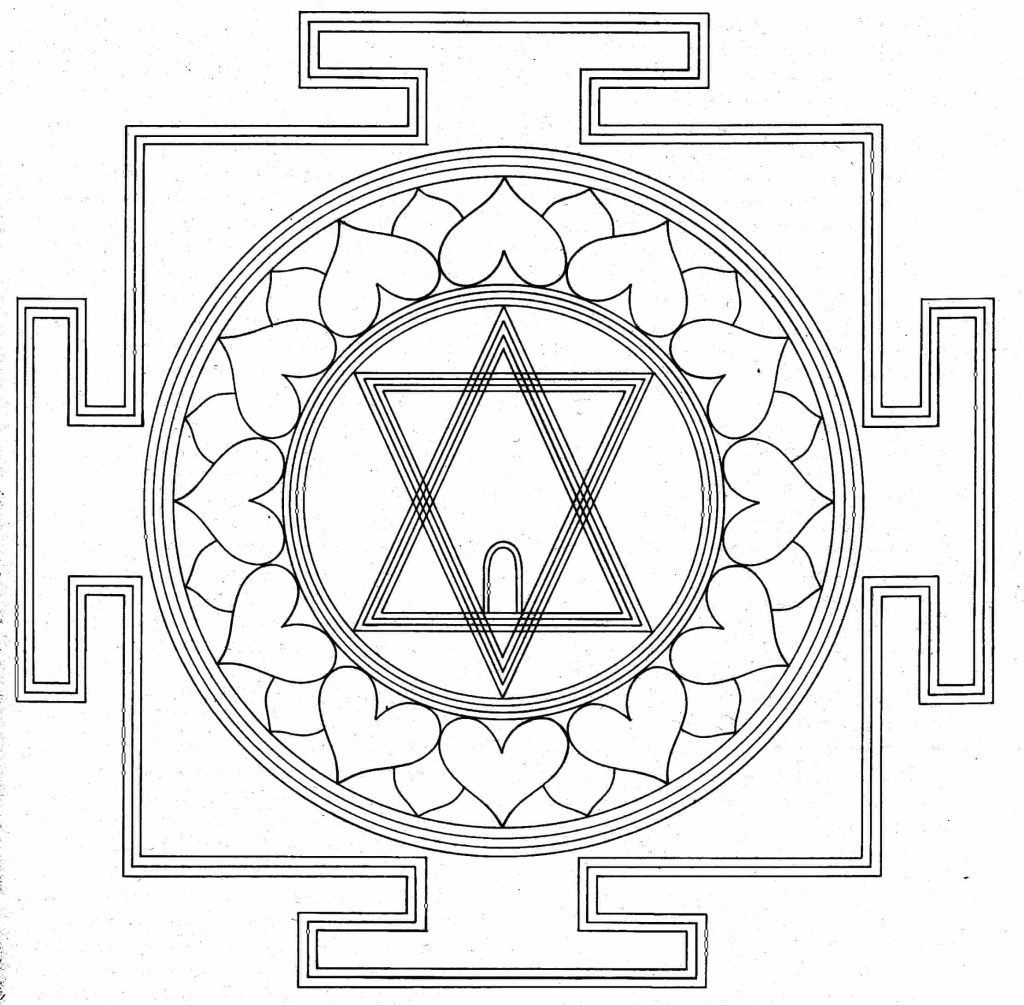
Eternal Divine Beauty of Tripura Sundari
As per the sacred scriptures, the third Rupa (form) of the Dasa Mahavidya is Devi Tripura Sundari. The Peetha of Devi Tripura Sundari is in the garbhagriha (sanctum sanctorum) of the Kamakhya Temple.
Tantra advises us to explore for the source of eternal divine beauty inside the body. Tripura Sundari is the magnificent eternal beauty which cannot be found anywhere in the universe and cannot be contained in any object. Her is the light of our own awareness. The knowledge of Her eternal divine beauty is the springs of infinite delight within us.
Devi Tripura Sundari is the ultimate beauty of pure perception which rises when we visualize the universe inside us and then we see all of nature as a reflection of the reality of consciousness. Tripura Sundari is the eternal beauty of nature seen through a spiritual eye. When our mind is permeated with such unlimited awareness, it finds a plenary delight in everything, and our mind finds the perception of joy.
Devi Tripura Sundari is also called Raj Rajeswari. Tripura Sundari is often represented as a young girl of sixteen years. In this form, she is called ‘Devi Sodasi‘ or ‘Devi Bala‘.
Devi Tripura Sundari is located in the Shahasra Chakra (Crown Chakra), the abode of the immortal nectar (Amrit).
Astrologically, Devi Kali is the residing deity of the Budh Graha (planet Mercury).
Devi Bhuvaneshwari (The 4th Mahavidya)

Goddess of Space and Creation
As per the sacred scriptures, the fourth Rupa (form) of the Dasa Mahavidya is Devi Bhuvaneshwari. In the Kamakhya Temples’ Complex, the Peetha of Devi Bhuvaneshwari is located in the Bhuvaneshwari Temple, situated at the eastern part of Kamakhya hill (on the highest point of the hill).
Bhuvaneshvari literally means the divine ruler (Ishwari) of the universe (Bhuvana). In the Vedas, Devi Bhuvaneshvari is mentioned as Aditi, the infinite or invisible mother and the cosmic womb, who is space. She is the “Mother of the Sun” and all the Sun Gods who are named after her (Aditya) in the Vedas.
Devi Bhuvaneshvari creates space in her cosmic womb (Hiranya Garbha) in order to give birth to all entities. She creates space within our own consciousness to give birth to the divine nature within us. Space has many levels of manifestation. Devi Bhuvaneshvari represents space. Space is the matrix in which all creatures come into being. She is the field where all things grow. Devi Bhuvaneshvari is called Maya.
Devi Bhuvaneshvari is located at Anahata Chakra (Spiritual Heart Center on the right side of the chest), which is the seat of self-awareness.
Astrologically, Devi Bhuvaneshvari is the residing deity of the Shukra Graha (planet Venus).
Devi Bhairavi (The 5th Mahavidya)
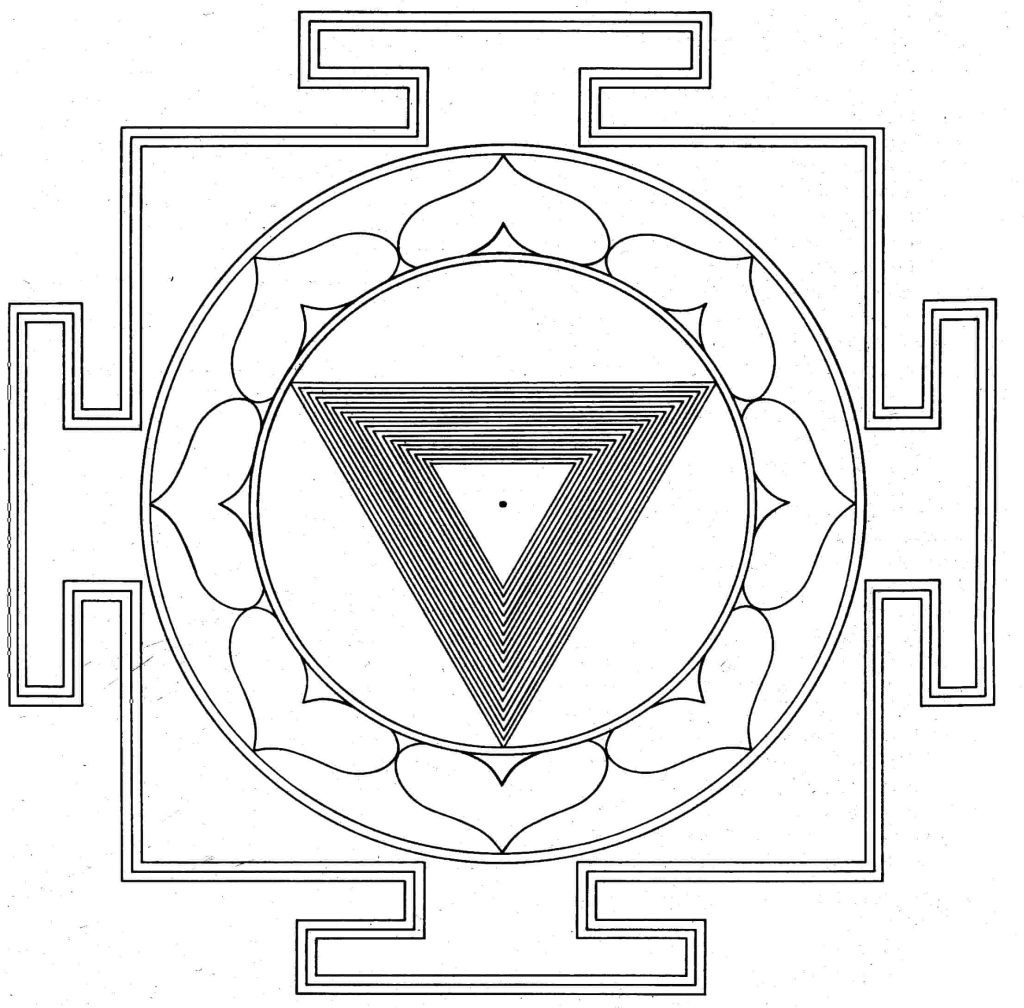
Supreme Power of Speech
As per the sacred scriptures, the fifth Rupa (form) of the Dasa Mahavidya is Devi Bhairavi. In the Kamakhya Temples’ Complex, the Peetha of Devi Bhairavi is located in the Bhairavi Temple situated on the southern side of Kamakhya Temple.
Devi Bhairavi represents the supreme power of speech, which has the nature of fire (Tejas). She is the Word in its unarticulated and primal form as raw energy.She is the supreme light and heat power, the flame of consciousness itself (Cid Agni), which is the ultimate knowledge of truth.
Devi Bhairavi dwells at the base of the spine in the Mula-Dhara Chakra (Root Chakra).
Astrologically, Devi Bhairavi is not related to any planet
Devi Chinnamasta (The 6th Mahavidya)

Transcendence of the Mind
As per the sacred scriptures, the sixth Rupa (form) of the Dasa Mahavidya is Devi Chinnamasta. In the Kamakhya Temples’ Complex, the Peetha of Devi Chinnamasta is located in the Chinnamasta Temple adjacent to the staired pathway to the Kamakhya Temple.
The concept of Devi Chinnamasta is a Devi with a severed head. She is the Devi who causes us to cut off our own heads or to dissolve our minds into pure awareness and brings transcendence of the mind and represents the non-mind (unmana) state. She makes us free from the limitations of the mind so that the pure consciousness of our mind realizes its true nature beyond death and sorrow. This sacrifice of mind is symbolized by the cutting off the head.
Devi Chinnamasta relates to the Agnya Chakra (Third Eye Chakra/Trinetra).
The Unmana state, in Tantric and yogic traditions, refers to a state where the mind becomes completely still and free from thoughts, emotions, and distractions. It is often called the state of no-mind, where the mind transcends its usual activity and merges with pure awareness or consciousness.
In this state, a person experiences a deep sense of calm and unity with the universe, beyond the usual worries and desires. It represents a higher spiritual state where the mind is no longer tied to ego or personal identity. This state is often seen as a path to liberation or enlightenment, where one can experience true freedom and inner peace.
For Devi Chinnamasta, this state symbolizes the cutting away of the mind’s limitations, allowing a person to rise above worldly thoughts and reach a deeper understanding of reality.
Astrologically, Devi Chinnamasta is the residing deity of the Rahu Graha (Dragon’s Head).
Devi Dhumavati (The 7th Mahavidya)

The Widow Goddess of Smoke
Devi Dhumavati, the seventh form of the Dasa Mahavidya, is represented at the Dhumavati Temple on the southern slope of Kamakhya Temple. The name Dhumavati comes from the word “Dhuma”, meaning smoke, symbolizing her nature as obscuring rather than illuminating. She hides the known to reveal the unknown and deeper mysteries.
Devi Dhumavati is often depicted as a widow, representing the feminine energy (Shakti) without the masculine principle (Shiva)—pure potential energy. She symbolizes the negative aspects of life such as disappointment, loss, sorrow, and loneliness. By embracing these difficult experiences, she reveals hidden strength and depth.
Devi Dhumavati is associated with the heart and astrologically governs the Ketu Graha (Dragon’s Tail).
Devi Bagalamukhi (The 8th Mahavidya)

The Power of Silence and Stillness
Devi Bagalamukhi, the eighth form of the Dasa Mahavidya, is represented in the Bagalamukhi Temple located on the south-eastern side of the Kamakhya Temple. The name Bagalamukhi translates to “rope” or “bridle” (Bagala) and “face” (Mukhi), symbolizing control and restraint
As a goddess of speech, Devi Bagalamukhi is linked to Devi Tara. When speech transforms into light, Tara manifests as Bagalamukhi. This goddess brings the power to still things, turning speech into silence, knowledge into ignorance, and defeat into victory, giving the ability to control or stop actions at will.
Devi Bagalamukhi is connected to the soft palate, the central point between the senses (eyes, ears, nose, and tongue), closely linked to the Third Eye Chakra (Agnya Chakra). She is also associated with the Anahata Chakra (heart center), as the source of Prana (life force).
Astrologically, Devi Bagalamukhi governs the Mangal Graha (planet Mars).
Devi Matangi (The 9th Mahavidya)
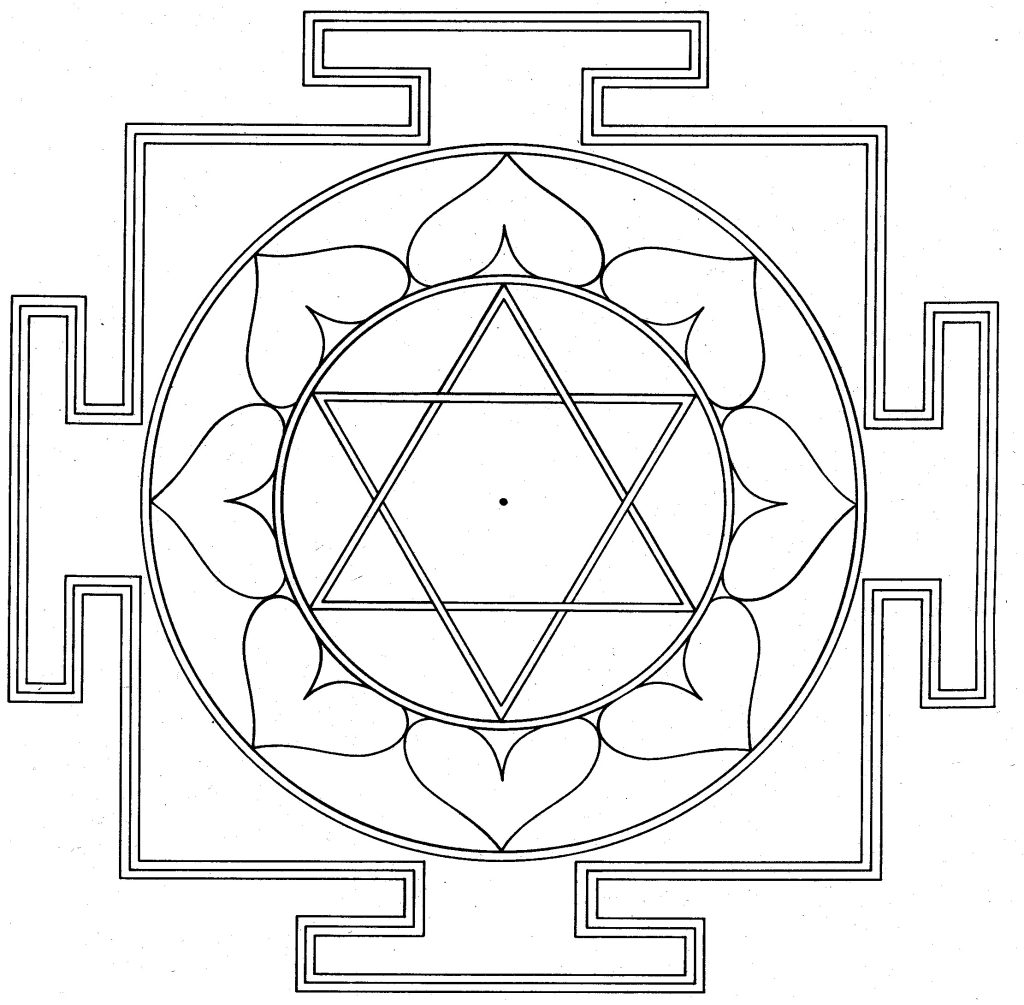
Goddess of Knowledge and Art
Devi Matangi, the ninth form of the Dasa Mahavidya, is housed in the garbhagriha (sanctum sanctorum) of the Kamakhya Temple. The name Mata means “a thought” or “an opinion”, making Matangi the goddess who governs the power of thought and the mind. She represents the word as the embodiment of thought and is associated with listening, which leads to understanding and the formation of powerful ideas
Devi Matangi grants knowledge, talent, and expertise, and is revered as the goddess of the spoken word, influencing all forms of art, music, and dance. She is also known as Devi Saraswati, the goddess of learning and wisdom.
Devi Matangi is linked to the Visuddha Chakra (center of speech) and resides on the tip of the tongue, where speech is articulated
Astrologically, Devi Matangi is the presiding deity of the Ravi Graha (planet Sun).
Devi Kamala (The 10th Mahavidya)
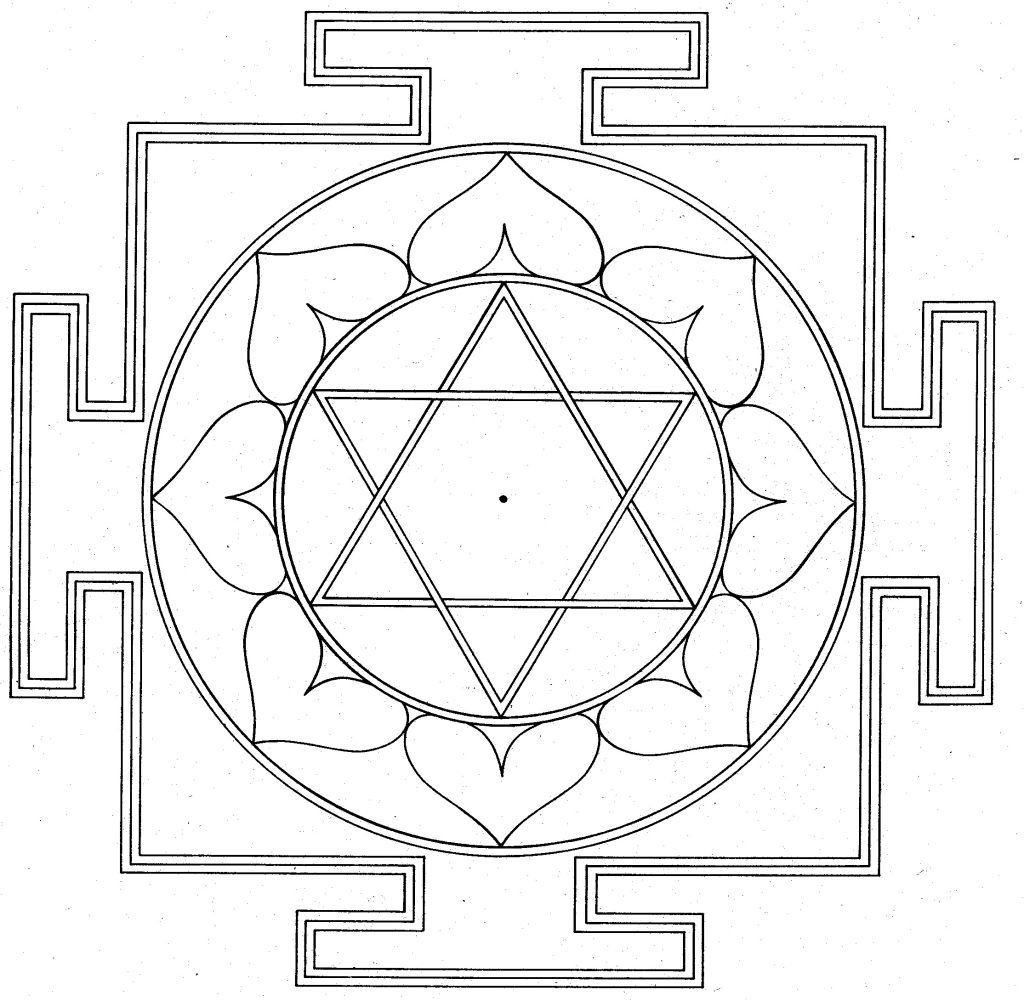
Goddess of Beauty and Perception
As per the sacred scriptures, the tenth Rupa (form) of the Dasa Mahavidya is Devi Kalama. The Peetha of Devi Kamala is in the garbhagriha (sanctum sanctorum) of the Kamakhya Temple. Devi Kamala relates to the beauty of perception whereby we see the Divine quality in each thing.
Devi Kamala in Sanskrit means Lotus, the most sacred flower. Lotus is a symbol of enfoldment and represents the lotus of the heart. Devi Kamala is one whose nature is of the Lotus.
Devi Kamala is the most worshipped Devi people in this world. As we are mainly cognizant of outer beauty and abundance, most of us are engaged in pursuit of pleasure, fortune, talent, fame and so on, which are nothing but superficial or limited aspects of the power of Devi Kamala.Kamala is located in the Anahata Chakra (Spiritual Heart Center).
Astrologically, Devi Bagalamukhi is the residing deity of the Chandrama Graha (Moon).
Relationship Between the Dasa Mahavidyas
The Dual Aspects of the Mahavidyas
The Dasa Mahavidyas form a comprehensive system of knowledge, typically categorized into two groups of five Devis:
The first group of five Mahavidyas represents the fundamental principles of existence:
- Devi Kali — Time
- Devi Tara — Word
- Devi Tripura Sundari — Light
- Devi Bhuvaneshvari — Space
- Devi Bhairavi — Energy
The second group represents the primary methods of transformation in Yoga practice:
- Devi Chinnamasta — Perception
- Devi Dhumavati — Voidness
- Devi Bagalamukhi — Stillness
- Devi Matangi — Knowledge
- Devi Kamala — Delight
When paired together, the Mahavidyas signify complementary aspects:
- Devi Kali-Devi Chinnamasta — Time and transformation
- Devi Tara-Devi Matangi — Word, unmanifest and manifest
- Devi Tripura Sundari-Devi Kamala — Beauty, unmanifest and manifest
- Devi Bhuvaneshvari-Devi Dhumavati — Space, manifest and unmanifest
- Devi Bhairavi-Devi Bagalamukhi — Energy, in motion and in stillness
Get in Touch with Us
For more information, direct assistance, guidance, and other services for visiting Kamakhya Temples Complex and the greater region of Kamrup.